
Customs Clearance vs Customs Compliance: What’s the Difference?

Customs clearance and customs compliance are closely linked, but they serve different purposes. Discover the key differences, common compliance mistakes and how UK businesses can streamline customs processes and keep international shipments moving.
How Incorrect Customs Valuations Can Increase Your Duty Bill
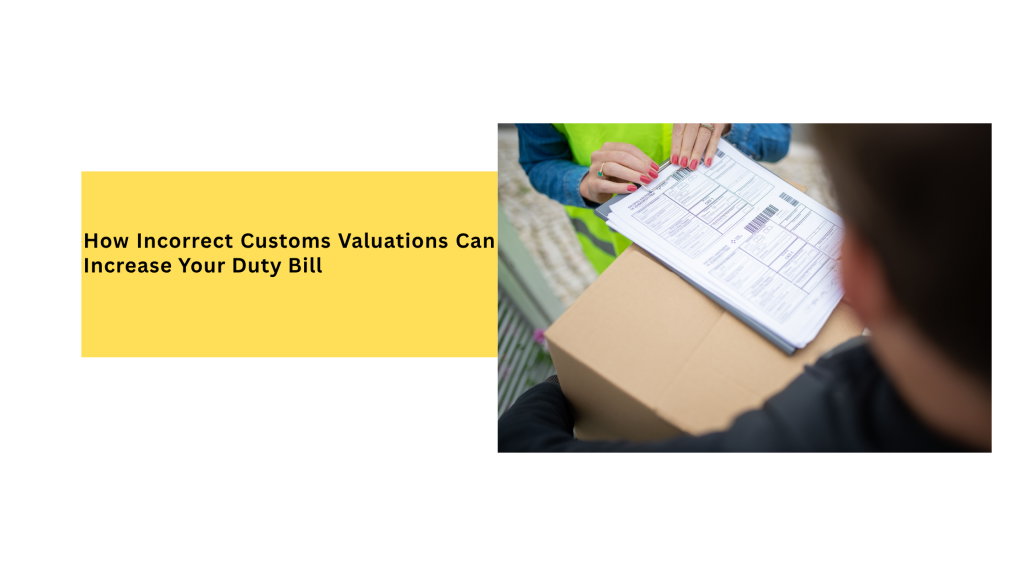
Incorrect customs valuations can lead to higher import duty and VAT bills, delays and compliance issues. Learn how HMRC assesses customs value, common valuation mistakes and how accurate records and expert customs support can help keep import costs under control.
How to Reduce Container Storage and Demurrage Charges at UK Ports
Discover practical ways to reduce container storage and demurrage charges at UK ports. From preparing customs documents early to arranging haulage and delivery in advance, learn how better planning and integrated logistics can keep containers moving and costs under control.
How Integrated Warehousing Reduces Delays and Extra Charges
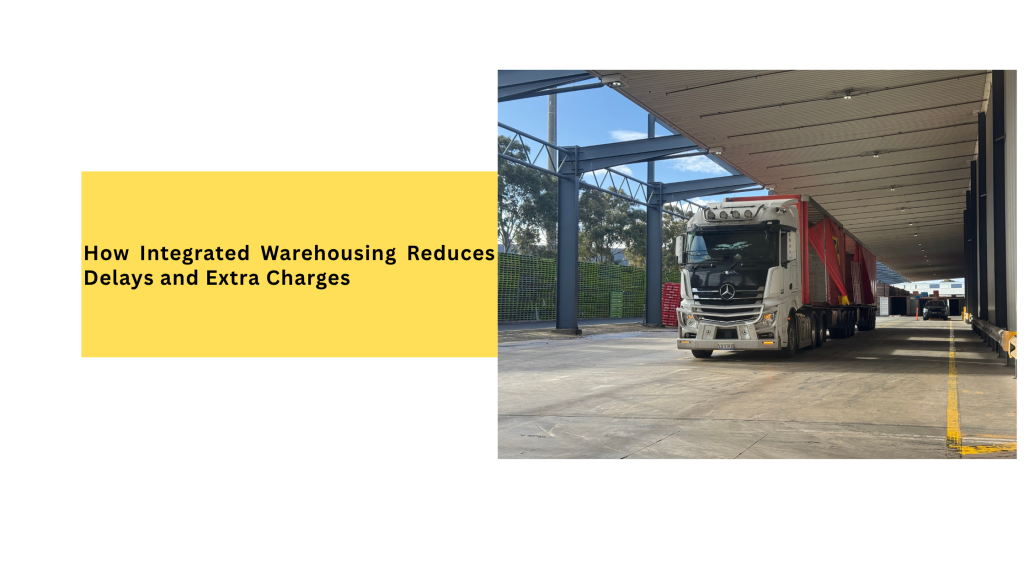
If you’ve ever shipped internationally, you know that getting products from A to B is not just about transport. Behind every successful cross-border delivery is a stack of documents that tells customs authorities exactly what is being moved, where it is going and how it should be treated.
What Happens If Customs Paperwork Is Wrong?

If you’ve ever shipped internationally, you know that getting products from A to B is not just about transport. Behind every successful cross-border delivery is a stack of documents that tells customs authorities exactly what is being moved, where it is going and how it should be treated.
When Should You Add Warehousing to Your Freight Setup?
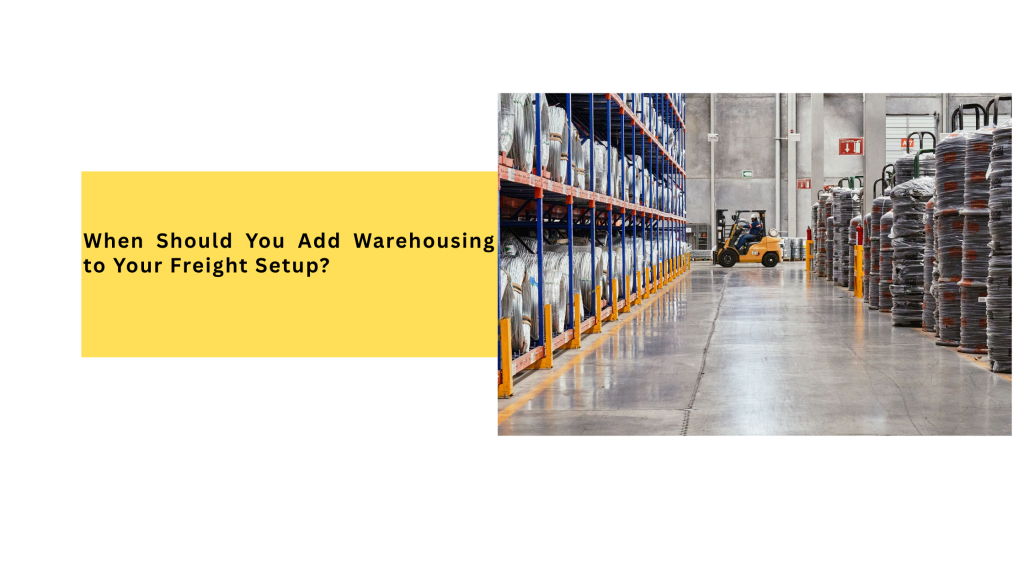
Warehousing is more than just storing pallets until needed. A well-run warehouse is an extension of your transport operation, receiving, sorting, labelling, consolidating and dispatching goods exactly when you need them.
The Hidden Costs of Poor Freight Management (Beyond the Invoice)
Most businesses think they understand their logistics costs. They look at transport quotes, fuel charges, customs fees, and warehouse invoices and assume that’s the full picture. But the real damage often happens quietly in the background through delays, poor planning, communication breakdowns, and inefficient operations.
Why Your Goods Keep Getting Held at UK Customs

Delays at customs can have serious consequences for businesses moving commercial freight internationally. Whether you’re importing full container loads, pallets or time-sensitive consignments into the UK, a shipment held at the border can disrupt supply chains, increase storage costs and impact customer commitments.
5 Signs Your Freight Forwarder Is Costing You More Than You Realise
When businesses think about logistics costs, they usually focus on shipping rates first. But in reality, the biggest losses often come from poor communication, avoidable delays, hidden charges, and inefficient planning.
How Import Clearance Services Unlock Faster UK Port Deliveries and Lower Supply Chain Costs
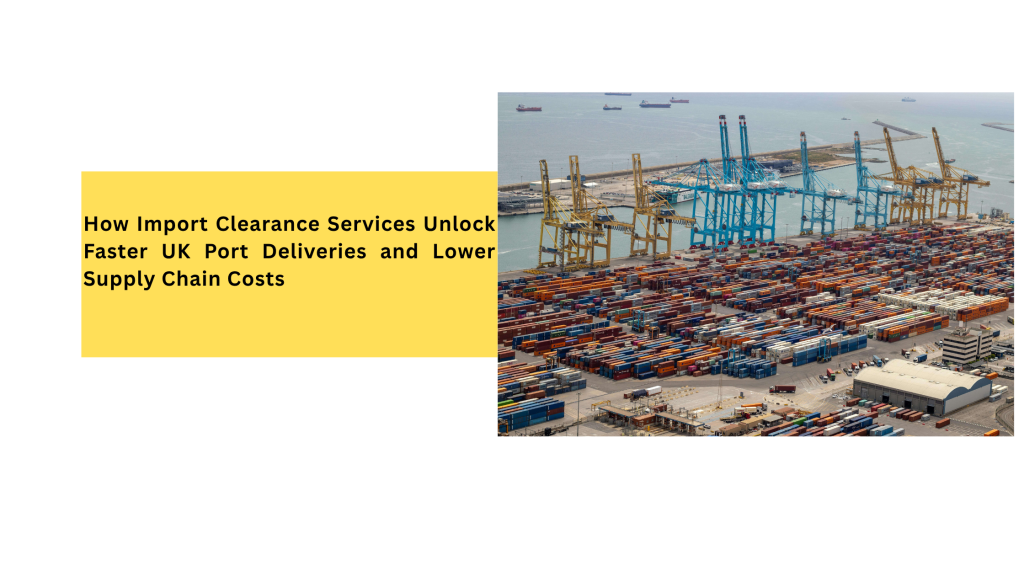
Moving freight through UK ports involves far more than unloading containers and booking transport. Customs declarations, VAT processing, commodity codes, inspections, and delivery scheduling all affect how quickly goods move once they arrive.
Because of this, customs clearance in the UK merits significantly more consideration than it frequently receives. It is more than simply an administrative process for companies transporting goods into or out of Britain. It is essential to maintaining the flow of the larger supply chain.
What’s frustrating? The majority of delays are not brought on by a single major problem. They typically arise from minor errors in communication, planning, and traditions that combine at the worst time.
Fortunately, there is a way to address these delays. You can begin creating a supply chain that can withstand pressure once you know where things are going wrong.
From Port to Final Delivery: How Integrated Freight Services Improve Efficiency After UK Import Clearance
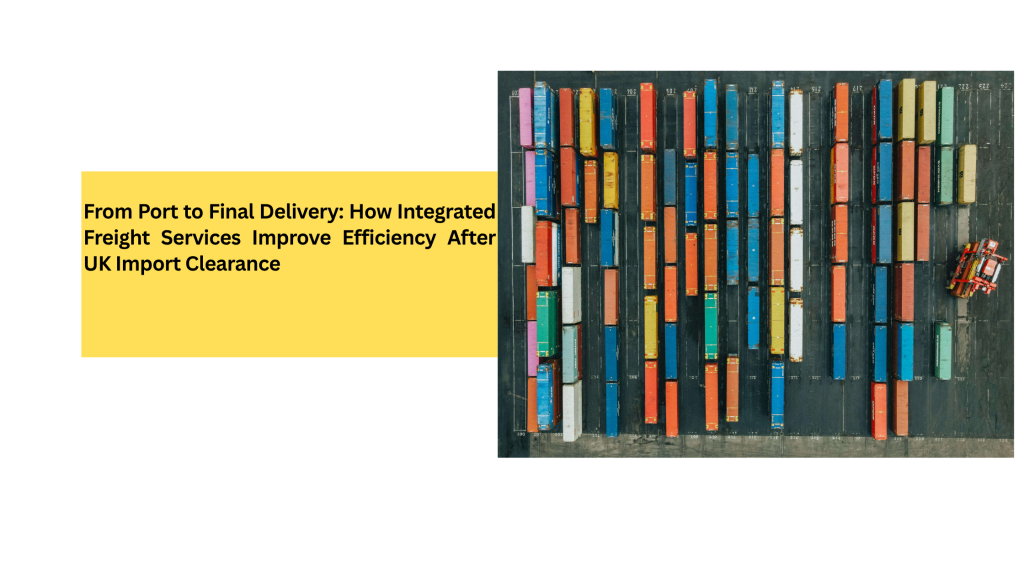
Getting goods through customs is only one part of the journey. Once shipments are freed from port, the real strain begins for many importers. To prevent delays and additional fees, deliveries still need to be organised, documents verified, storage set up, and transportation scheduled promptly.
Because of this, customs clearance in the UK merits significantly more consideration than it frequently receives. It is more than simply an administrative process for companies transporting goods into or out of Britain. It is essential to maintaining the flow of the larger supply chain.
What’s frustrating? The majority of delays are not brought on by a single major problem. They typically arise from minor errors in communication, planning, and traditions that combine at the worst time.
Fortunately, there is a way to address these delays. You can begin creating a supply chain that can withstand pressure once you know where things are going wrong.
Why Your Customs Clearance Is Slowing Down Your Supply Chain
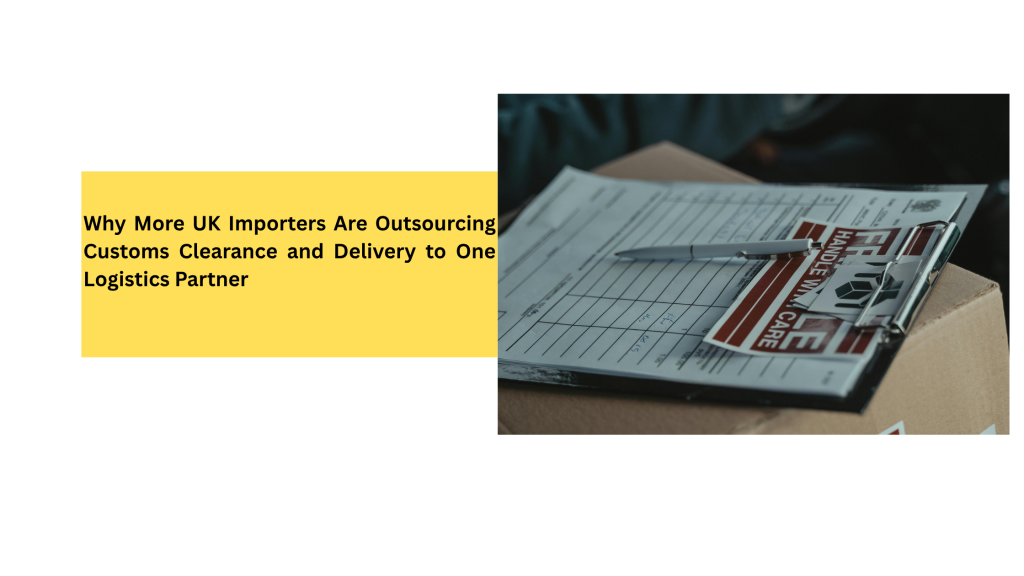
Customs may either maintain the flow of products across borders or disrupt the entire timetable. At that time, a delay does not remain neatly at the boundary. It immediately leads to stock problems, missed delivery windows, irate clients, and additional expenses.
Because of this, customs clearance in the UK merits significantly more consideration than it frequently receives. It is more than simply an administrative process for companies transporting goods into or out of Britain. It is essential to maintaining the flow of the larger supply chain.
What’s frustrating? The majority of delays are not brought on by a single major problem. They typically arise from minor errors in communication, planning, and traditions that combine at the worst time.
Fortunately, there is a way to address these delays. You can begin creating a supply chain that can withstand pressure once you know where things are going wrong.
How Groupage Freight Works and When It Saves Money
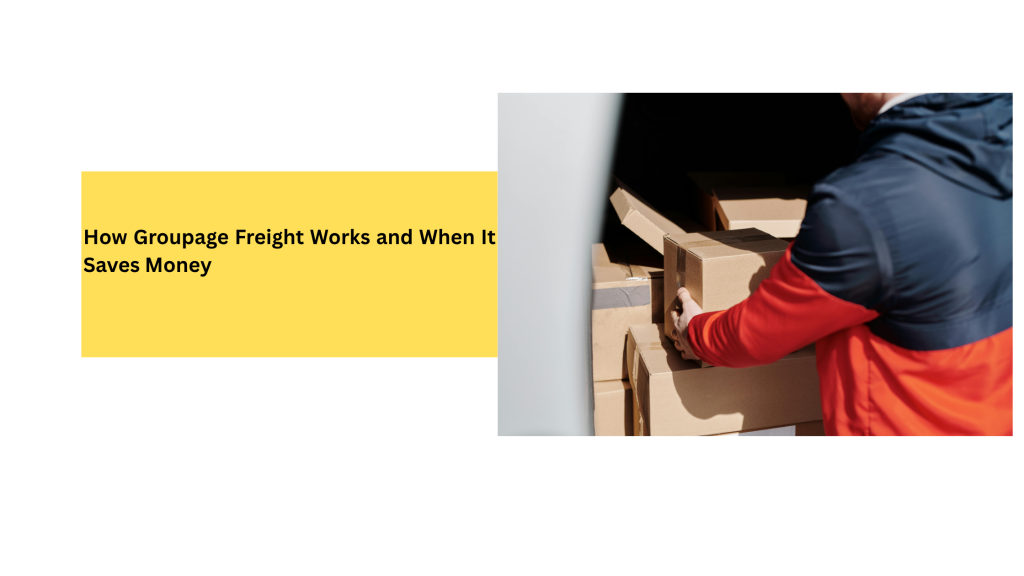
Delays are probably no longer a surprise if you’re currently transporting products between the UK and Europe. Moving across borders used to seem simple, but today there’s paperwork, friction, and a good amount of uncertainty.
What’s frustrating? The majority of delays are not brought on by a single major problem. They typically arise from minor errors in communication, planning, and traditions that combine at the worst time.
Fortunately, there is a way to address these delays. You can begin creating a supply chain that can withstand pressure once you know where things are going wrong.
Why Your UK to EU Freight Keeps Getting Delayed and How to Fix It
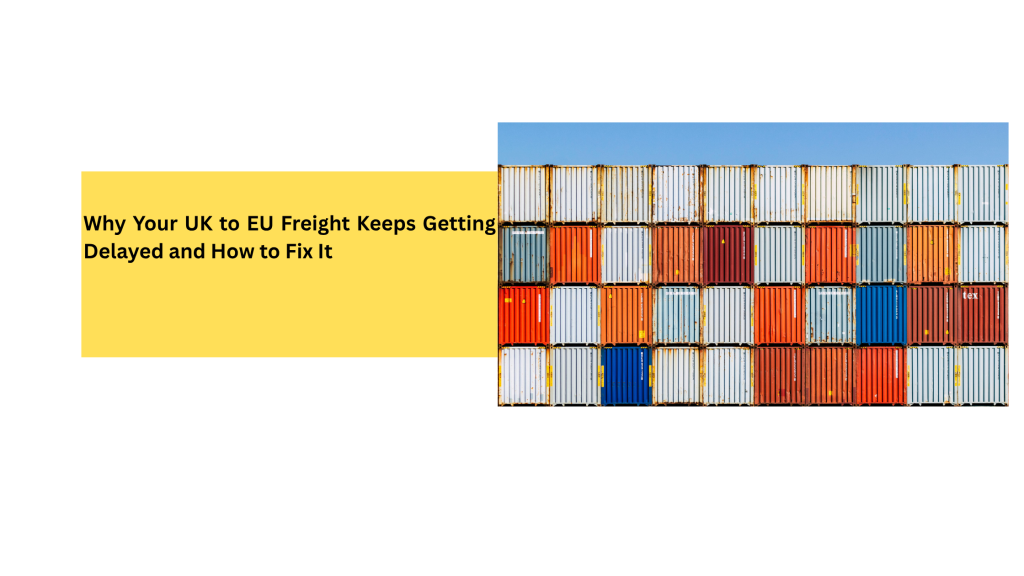
Delays are probably no longer a surprise if you’re currently transporting products between the UK and Europe. Moving across borders used to seem simple, but today there’s paperwork, friction, and a good amount of uncertainty.
What’s frustrating? The majority of delays are not brought on by a single major problem. They typically arise from minor errors in communication, planning, and traditions that combine at the worst time.
Fortunately, there is a way to address these delays. You can begin creating a supply chain that can withstand pressure once you know where things are going wrong.
How FORS Gold Accreditation Reduces Risk for Tier 1 Contractors

Major construction and infrastructure projects rarely fail because of design problems. More often, delays creep in through logistics: missed deliveries, vehicles refused at site gates, or compliance issues that slow everything down. Tier 1 contractors are keeping a closer eye on the businesses managing distribution, storage, and transportation as projects become more complicated. Logistics companies […]
5 Signs Your Project Needs Dedicated Warehouse Support

Complex supply chains, large-scale construction projects, and infrastructure developments seldom follow exact timetables. Materials can arrive all at once, late, or early. Delivery times change. changes to site access. Logistics quickly emerges as one of a project’s greatest challenges when numerous suppliers are involved. For this reason, a lot of developers and contractors are using […]
What Does FORS Gold Actually Mean for Your Supply Chain?

The phrase “FORS gold” has probably come up in discussions about deliveries, tenders, and site access requirements if you work in construction logistics in London. For those working in the transport sector, the meaning is quite obvious. It may seem like just another accreditation logo sitting silently on a website to everyone else in the […]
The Hidden Costs of Poor Freight Planning

When people talk about rising freight costs in the UK, the conversation usually starts and ends with rates. Fuel prices. Driver shortages. Carrier surcharges. But in reality, the biggest drain on margin is often something quieter. It’s poor freight planning. The missed slot. The container that sits a little too long at port. The document […]
Is It Easy to Switch Freight Forwarders

The thought of changing logistics partners seems scary to many companies. Your organisation revolves around freight, and any interruption can quickly affect your supply chain. Because of this, businesses frequently remain in place longer than is necessary, even when service begins to deteriorate. Switching doesn’t have to be unpleasant. It can be much easier than […]
How to Avoid UK Customs Delays in 2026

Although UK customs should be a routine process by now, many firms still struggle with it. Even in 2026, delays persist in shipments, questions arise about paperwork, and delivery schedules gradually unravel at the border. There are times when it’s just a tiny mistake in the data. Sometimes it’s just a mistake regarding who is […]